
Constructive thinking - A Win-Win Situation For All
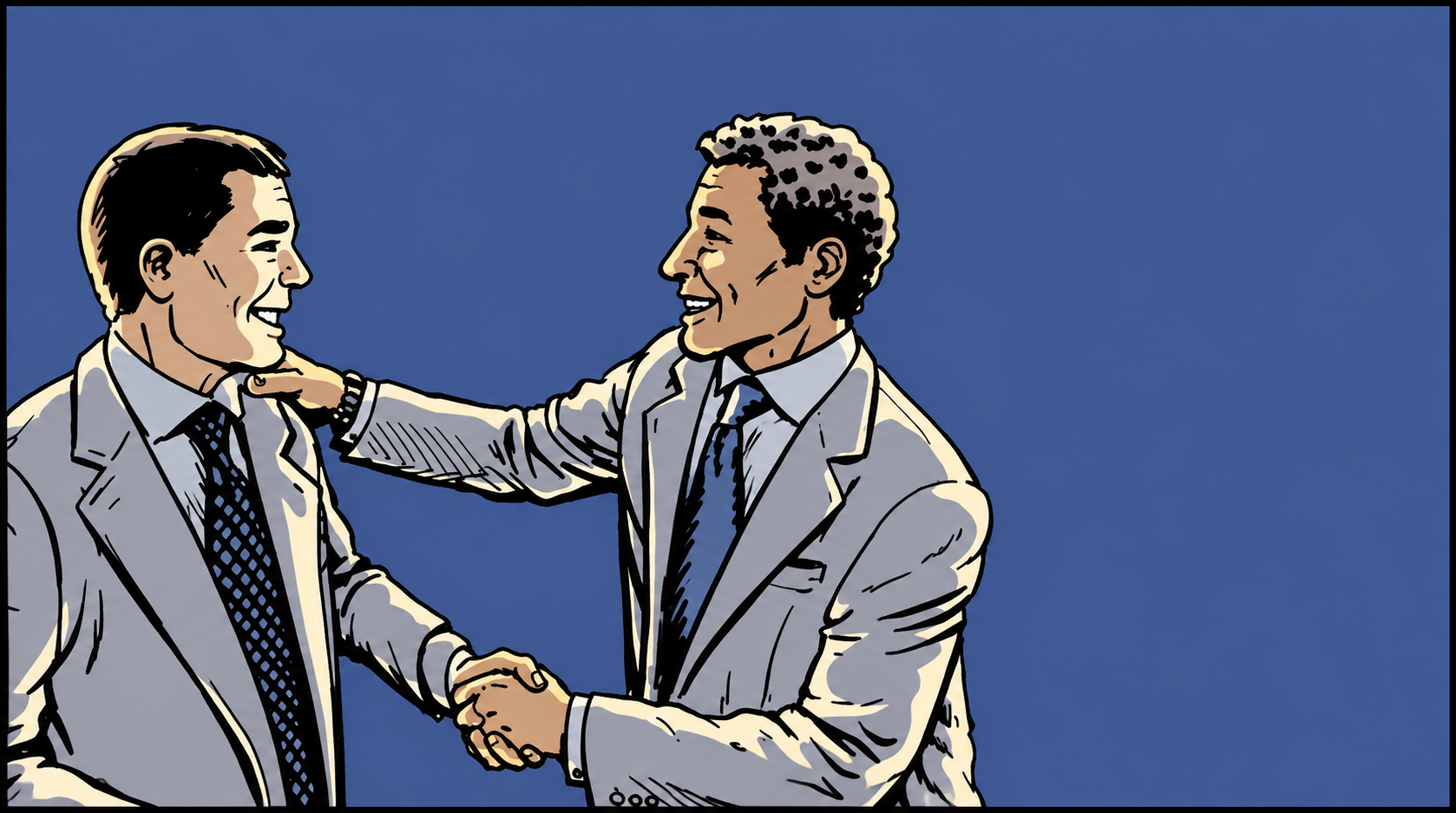
Constructive thinking - A Win-Win Situation For All
In a world increasingly driven by fierce competition, it is easy to view life, business, and relationships as zero-sum games where for one person to win, another must lose. However, true progress, sustainable success, and innovation do not come from defeating others. They stem from a unique cognitive framework: constructive thinking. When we shift our mindset from pure analysis to active creation, we unlock the power of win-win situations, building an ecosystem where everyone involved thrives.
Understanding Constructive Thinking
Constructive thinking is the action-oriented ability to apply, build, create, and reshape knowledge. While critical thinking analyzes a problem to see what is wrong, constructive thinking goes a step further by actively designing collaborative solutions. When applied to human interactions, this cognitive style directly fuels Stephen Covey’s famous philosophy: "Think Win-Win". It requires individuals to balance the courage to pursue their own goals with genuine consideration for what others need. Instead of fighting over a fixed pie, constructive thinkers figure out how to bake a larger pie so everyone gets a bigger slice.
Why Constructive Thinking Creates a Win-Win
Embracing this mindset fundamentally transforms how teams, businesses, and communities operate. Here is how constructive thinking turns everyday challenges into mutual victories:
- It Substitutes Blame with Creative Problem-Solving
When conflicts arise, the default human reaction is often defensive. Constructive thinking shifts the focus away from attacking people and redirects that energy toward attacking the issue. By reframing a counterparty from a "competitor" into a "collaborator," both sides feel safe to express their views and cooperate.
- It Builds Long-Term Value and Trust
Win-lose outcomes are short-lived; the losing party leaves with damaged morale and resentment, poisoning future relationships. Conversely, a constructive win-win agreement builds long-lasting trust and cooperation. In business, this translates to loyal partnerships, repeat clients, and sustainable profit.
- It Sparks Real Innovation
When we think constructively, we look for "Third Alternatives"—solutions that neither side had originally thought of but that fulfill the core needs of both. This synthesis of different perspectives is where true innovation is born.
How to Put Constructive Thinking Into Action
Shifting into a win-win mindset is a conscious practice. You can begin implementing this strategy in your daily life and workplace through a few intentional steps: Step Action Strategy Core Objective
- Gather Data & Empathize Actively listen to the other side's objectives, risks, and motives before reacting. Understand before being understood.
- Find Common Ground Identify shared interests, core values, and overlapping goals. Establish a mutual foundation.
- Propose Value Trades Ask "What if..." questions and offer multiple options to discover what the other side values most. Create mutual gains by trading differing preferences.
- Execute an Action Plan Outline specific, time-bound obligations in writing to keep everyone accountable. Solidify commitments objectively.
Moving Forward Together
Ultimately, constructive thinking is more than just a negotiation tactic; it is a philosophy of mutual growth. By adopting the mindset that "anyone can win" and that someone else’s success does not diminish your own, you foster an environment of psychological safety and shared prosperity. When we think constructively, we stop trying to beat the competition and start building a better future—together.
Comments · 0
Be the first to comment.